The Meaning Behind Mandalas: Art, Meditation, and Sacred Geometry
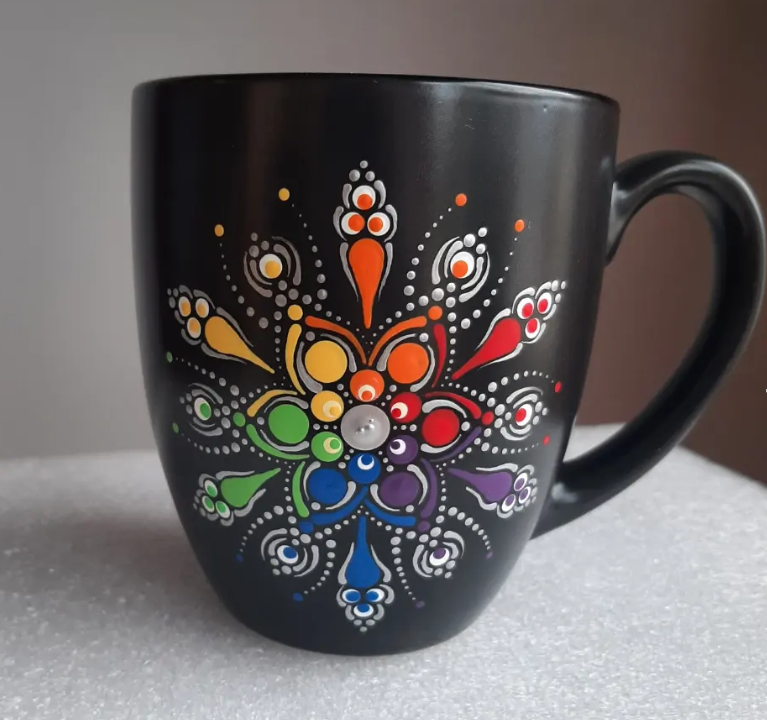
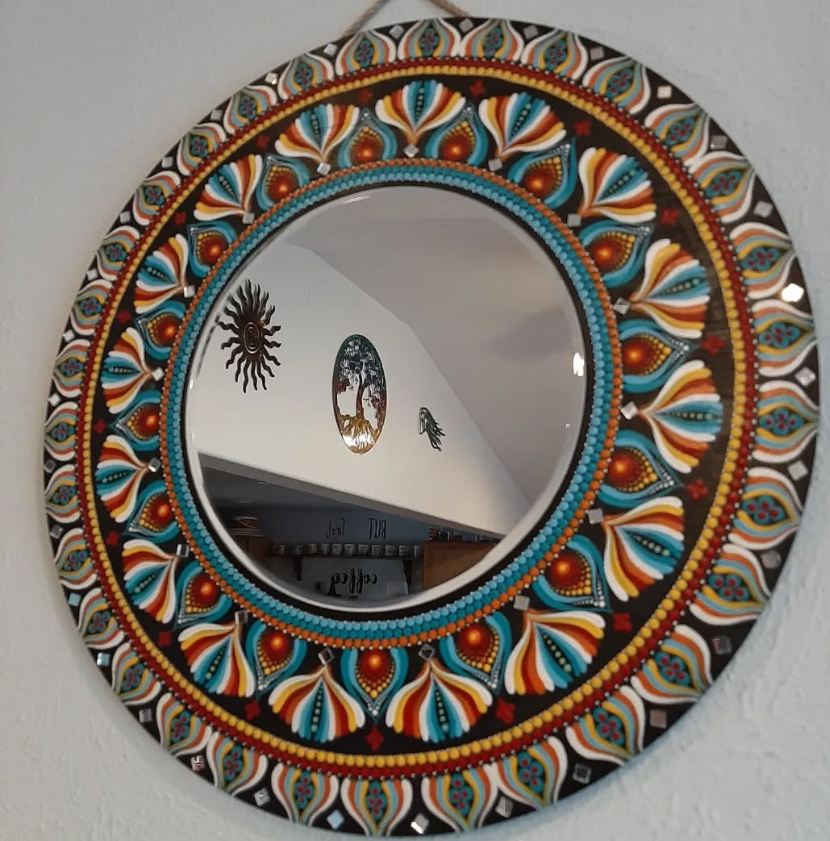
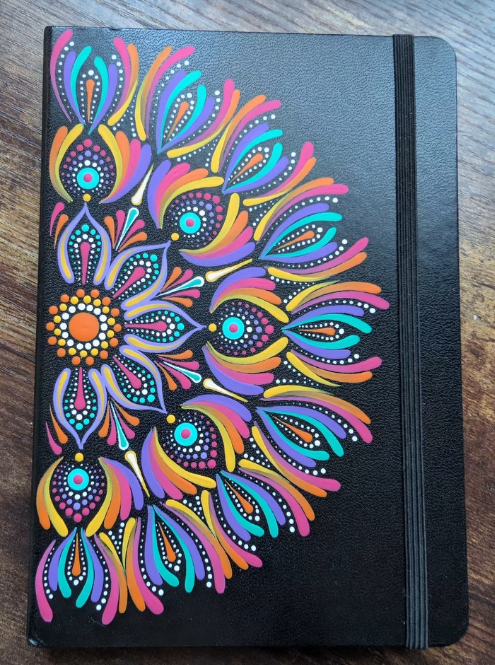
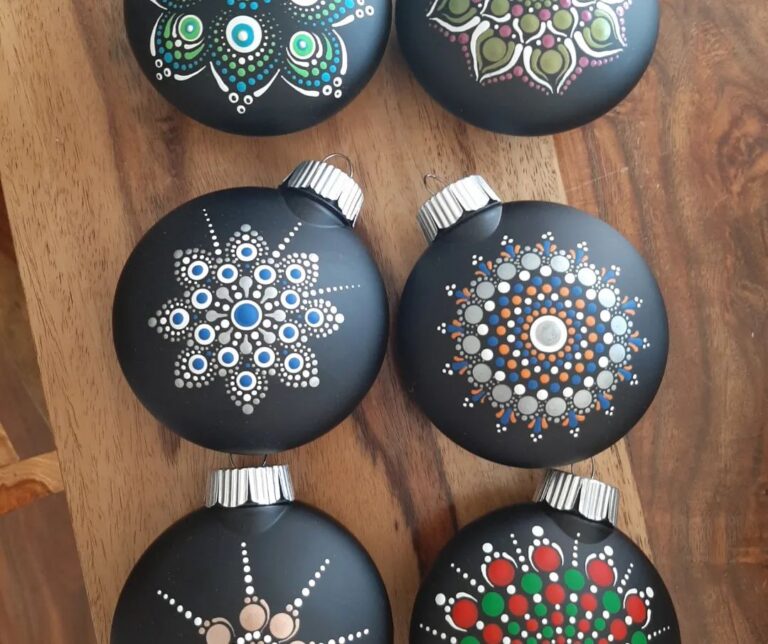
Mandalas have been used for centuries as symbols of balance, focus, and connection. Their circular designs often begin at the center and grow outward through repeated lines, shapes, and patterns. Because of this structure, mandalas can feel both calming and meaningful.
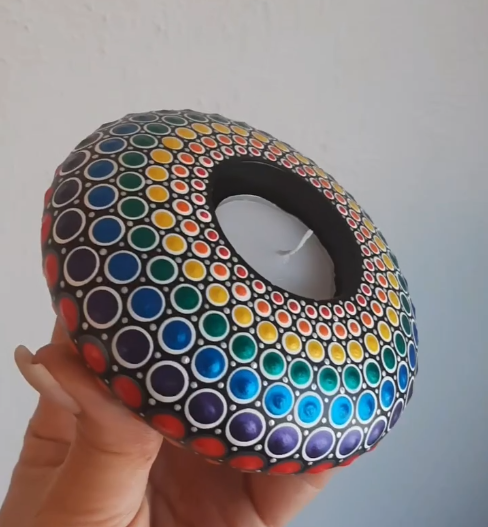
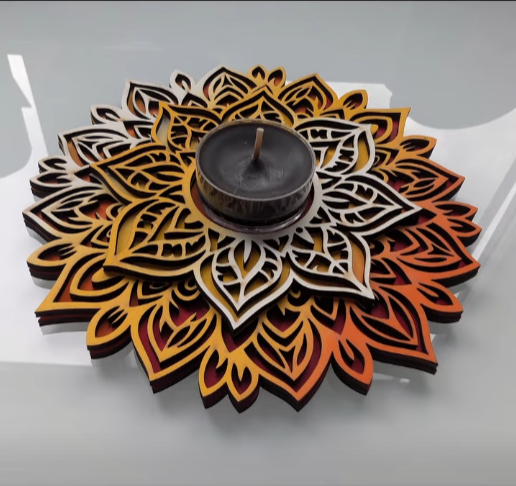
Today, mandalas appear in many forms. You may see them in spiritual art, meditation spaces, home décor, tattoos, coloring books, and handmade artwork. While each style may look different, the main idea stays the same: a mandala brings many small parts together into one balanced whole.
Here’s a closer look at what mandalas mean, how they connect to meditation, and why sacred geometry plays such an important role in their design.
The Hidden Language of Mandalas
Mandalas often use shape, pattern, and repetition to express ideas that words cannot always capture. The circle is one of the most important parts of a mandala. It can represent wholeness, unity, cycles, and the connection between the inner and outer world.
In many designs, the center point acts as the starting place. From there, the pattern expands outward. This can reflect growth, movement, and the way life often unfolds from one small beginning.
Because mandalas rely on repeated shapes, they naturally create rhythm. As a result, they can help the viewer slow down and focus. Even without knowing the meaning behind every symbol, many people feel drawn to the balance and order within the design.
1. A Universal Symbol
Mandalas appear across many cultures, traditions, and art forms. Although each tradition uses them in its own way, many share similar themes of balance, reflection, and connection.
In Tibetan Buddhism, monks create detailed sand mandalas using colored sand. These works can take a long time to complete. Afterward, they are often swept away as a reminder that nothing is permanent.
In Hindu traditions, temple layouts and spiritual diagrams often use mandala-like forms. These designs can guide attention toward a sacred center. Because of that, the mandala becomes both a visual pattern and a spiritual map.
Other cultures also use circular symbols to show balance and connection. For example, medicine wheels in some Native American traditions use the circle to represent harmony between earth, sky, spirit, and direction.
While these traditions are different, the circular form often points back to the same idea. A mandala helps organize meaning, movement, and focus around a center.
2. The Science of Sacred Geometry
Sacred geometry is the study of shapes and patterns that appear in nature, art, and spiritual design. In mandalas, these forms help create balance and structure.
Many mandalas begin with simple geometry. A circle, center point, triangle, square, or set of evenly spaced lines can become the base for a much more detailed design. As the pattern grows, the artist repeats shapes in a way that feels ordered and harmonious.
One common geometric idea is the “seed of life.” This pattern uses overlapping circles to create a flower-like shape. Artists often use it as a starting point because it creates a strong, balanced foundation.
Other patterns may echo natural forms, such as flowers, snowflakes, shells, and stars. This is one reason mandalas feel familiar, even when the design is complex. The eye often recognizes balance, repetition, and proportion before the mind names it.
Because of these patterns, mandalas can also support focus. The repeated shapes give the eye a path to follow. Then, the mind begins to settle into the rhythm of the design.
3. The Creative Process
Although every artist works differently, many mandalas follow a clear process. This structure helps the final piece feel balanced and intentional.
Stage 1: Structure.
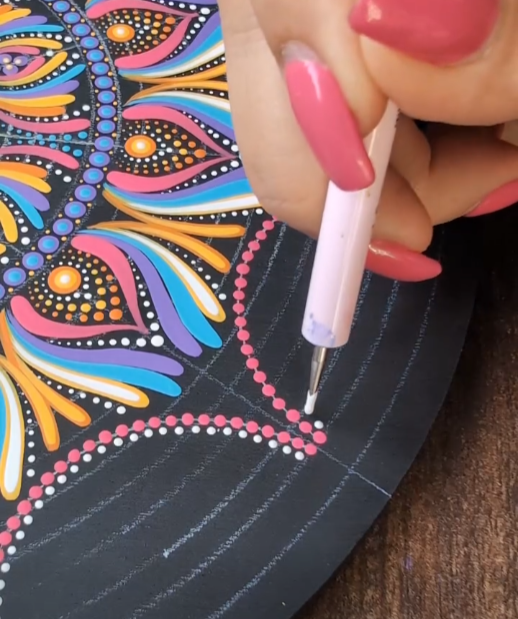
A mandala often begins with a center point and a light pencil grid. The artist may use a compass, ruler, or other guide to divide the circle into equal sections. This base keeps the design balanced as it grows.
Stage 2: Center Work.
Next, the artist usually begins near the center and works outward. This step helps the design build in layers. Small shapes, dots, curves, petals, and lines can repeat around the center to create rhythm.
As the piece grows, the pattern may become more geometric, more organic, or a mix of both. However, the center remains the anchor.
Stage 3: Ink and Detail.
Once the structure feels right, ink brings the design to life. Fine pens, paint pens, or other tools can create thin lines, bold outlines, dots, shading, and small details.
This stage takes patience. Each mark adds to the full design, so the artist must work slowly and carefully. Because of that, mandala art often becomes a meditative process for the maker as well as the viewer.
Mandalas as Meditation
Mandalas are often connected to meditation because they invite focus. Their repeated shapes and circular flow can help quiet the mind.
Creating a mandala can become a form of active meditation. The artist pays attention to one line, one dot, or one shape at a time. This steady process encourages patience and presence.
Viewing a mandala can also feel calming. The eye moves around the pattern, returns to the center, and follows the design outward again. As a result, the artwork can create a sense of order during a busy moment.
This does not mean every mandala needs to have a deep spiritual purpose. Some are created for beauty, décor, or personal expression. Still, the structure of a mandala naturally supports reflection and calm.
Final Thoughts
Mandalas are more than decorative patterns. They combine art, balance, meditation, and meaning into one circular form.
Through repeated shapes, sacred geometry, and careful detail, a mandala can represent wholeness, growth, focus, and connection. It can also bring a peaceful visual anchor into a home, studio, or personal space.
In a fast-moving world, mandalas remind us to slow down. They show how small details can become something larger when they come together with care and intention.
Feeling drawn to the meaning and beauty of mandala art? Visit the store for available pieces or commission a custom mandala created with symbolism, balance, and intention.