More Than Just Art: The Stories We Tell with Wood and Ink
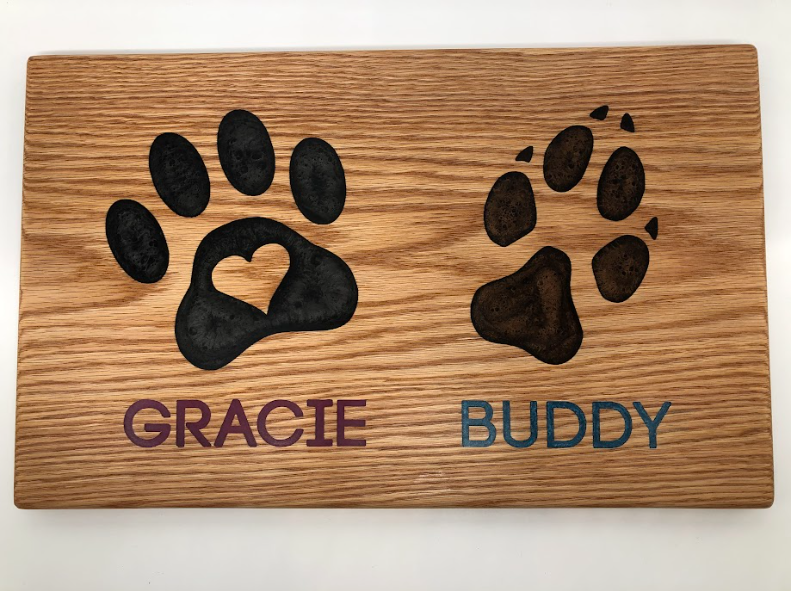
Sawdust: I believe that every piece we create tells a story. When I’m working on a custom resin table, I’m not just joining two materials together. I’m bringing two parts of a narrative into the same space. There is the rugged life of the wood, with all its grain, knots, cracks, and natural character. Then there is the delicate art of what gets placed within the resin, whether that is a meaningful object, a preserved memory, or a detail chosen with intention.
Each piece becomes more than a table, tray, board, or keepsake. It becomes a way to hold onto a moment.
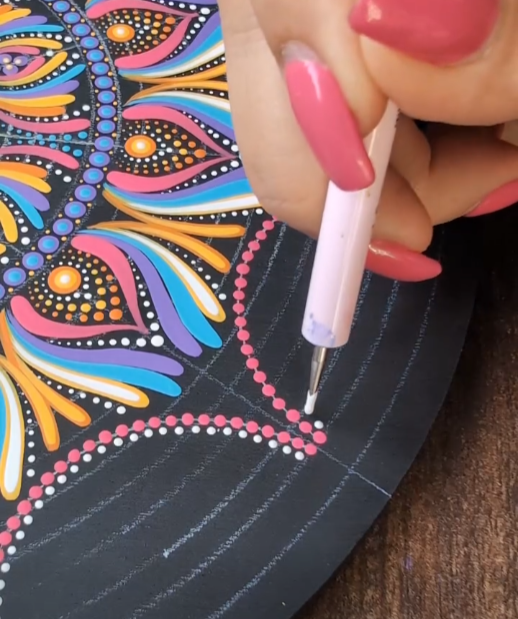
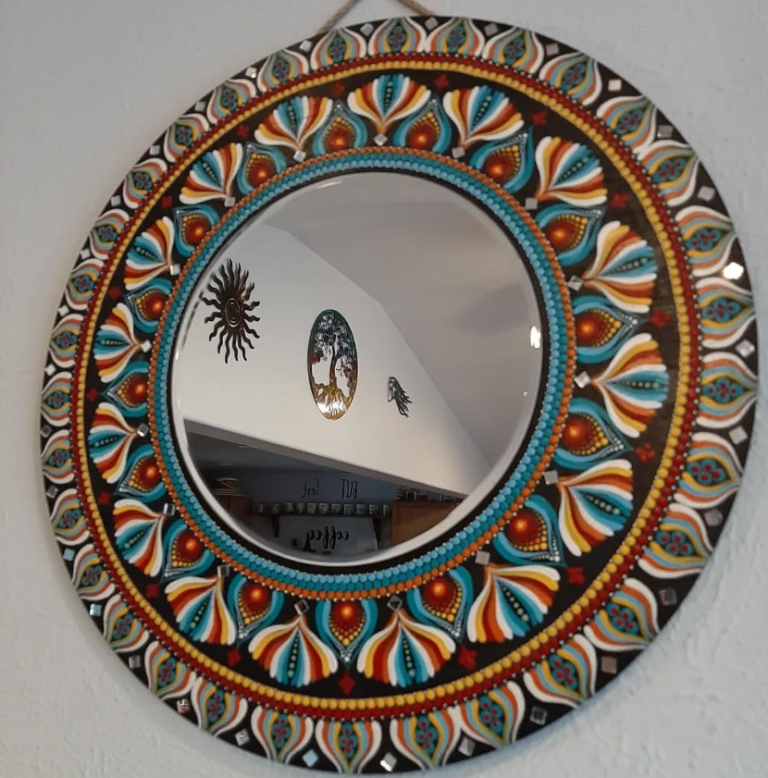
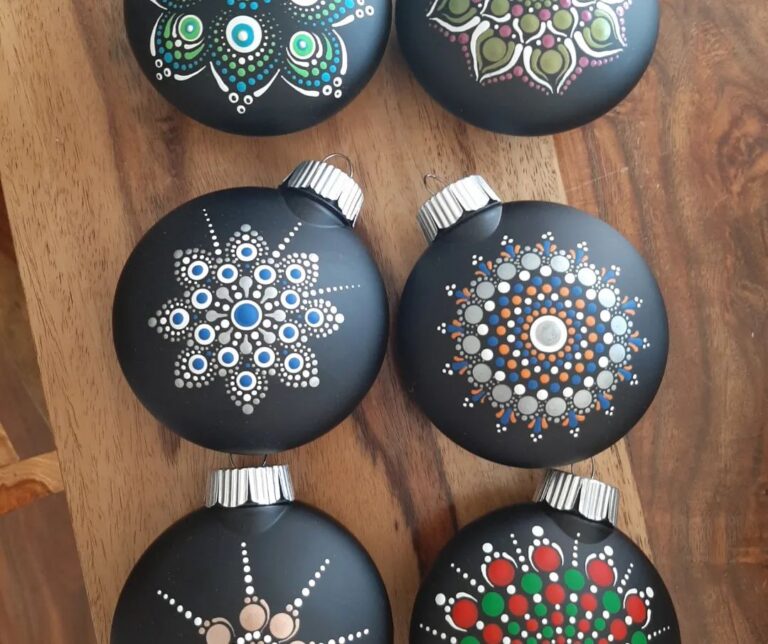
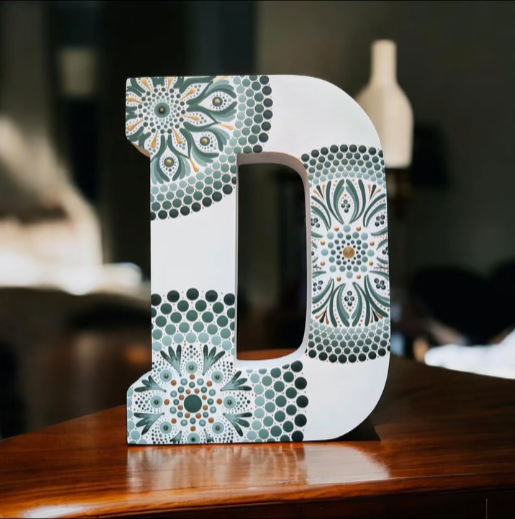
Ink: The same is true for my mandala work. Every layer of pattern, color, and geometry has meaning behind it. Mandalas are built through repetition, balance, and detail, but they are also deeply personal. They can represent calm, connection, growth, creativity, or simply the beauty of slowing down and focusing on one small mark at a time.
Every mark is placed with intention. Each color choice, repeated shape, and layered detail helps create a visual story that feels both grounded and expressive. Whether the piece is bold and vibrant or soft and meditative, the design carries emotion through pattern.
Together: This is the deeper meaning behind our collaboration. Sawdust and ink may look like two different creative worlds, but they are always connected by story. One side works with natural materials, texture, and function. The other works with color, pattern, and expression. Together, they create pieces that feel personal, intentional, and full of life.
The Elements of Our Narrative
Every handmade piece has its own language. Sometimes the story begins with the material itself. Sometimes it begins with a customer’s memory, a special request, or a meaningful detail they want preserved. Other times, the story reveals itself slowly as the design begins to take shape.
For us, the narrative often comes through three main elements: the wood, the inclusions, and the ink or design.
The Wood
The wood is the history.
A slab of walnut from a century-old tree holds stories of seasons, growth, weather, and time. Every line in the grain is part of that history. Every knot, crack, curve, and variation tells us something about where the wood came from and what it lived through before it ever reached our hands.
We do not see natural flaws as something to hide. Knots, spalting, live edges, and unexpected grain patterns are part of what make a piece feel honest. They remind us that the material had a life long before it became a finished work of art.
When we preserve those details, we are not just making something beautiful. We are honoring the character that was already there.
The Inclusions
The inclusions are the plot points.
These are the details that make a piece specific to a person, a family, or a memory. Bullet casings encapsulated in resin might represent a client’s family legacy, a shared tradition, or a moment connected to someone they love. Leaves pressed into resin might preserve the memory of a favorite hike, a special season, or a place that felt meaningful.
Small details can completely shape the meaning of a piece. A certain color, a preserved object, a natural edge, or a custom layout can turn a functional item into something deeply personal.
The inclusions give the work a sense of place and memory. They are the moments inside the piece that make someone stop, look closer, and remember why it matters.
The Ink/Design
The ink and design are the emotional core.
This is where shape, pattern, and intention come forward. Lines can transform something rugged into something refined. Color can bring warmth, energy, softness, or contrast. Repetition can create calm. Geometry can create balance. A single design choice can change the entire feeling of a piece.
In commissioned mandalas, the geometric patterns are never random. They represent balance, harmony, and interconnectedness. Each repeated mark builds on the one before it, creating a design that feels grounded and complete.
The design process helps give voice to the material. It brings emotion, movement, and rhythm to the natural story already living in the wood, resin, and handmade surface.
That is what connects the sawdust and ink sides of our work. One brings the raw material and natural story. The other brings the visual language that helps the story speak.
Pro Tip
To make your art truly speak, think about the story you want to tell before you begin.
Start with the meaning, not just the materials. Ask yourself what the piece should remember, celebrate, or express. Is it about a place? A person? A feeling? A season of life? A favorite color palette? A family memory?
Once you understand the story, let the materials help guide the direction. The grain of the wood, the movement of resin, the placement of an object, or the rhythm of a pattern may reveal a better path than the one you first imagined.
The strongest pieces happen when the story and the materials work together.
Final Thoughts
We do not just make art. We act as witnesses and interpreters.
We preserve moments in time, honor natural materials, and transform raw elements into beautiful stories you can live with every day. Whether it is a custom resin table, a detailed mandala, a meaningful keepsake, or a handcrafted piece made for your home, each creation has the potential to carry something deeper.
That is what makes handmade work special. It is not mass-produced. It is not anonymous. It has a maker, a material, a purpose, and a story.
What story do you want to tell? Contact us to collaborate on a commissioned piece that speaks to you.